%2Ffit-in%2F250x250%2Fguide_websites%2F13564%2Fimages%2F1714149374536nelsons-guide-service.png&w=1920&q=100)
Bass Fishing in Austin TX - Guided Trips with Aaron Lancaster
Bass Fishing in Austin - What to Expect
%2F%2Fusers%2F24975736-1913-4bb7-b26f-e919a8331943%2Fimages%2Faustin-bass-fishing-catch-2425.jpg&w=1920&q=75)
Guided Fishing Trip by Guide Aaron Lancaster in May
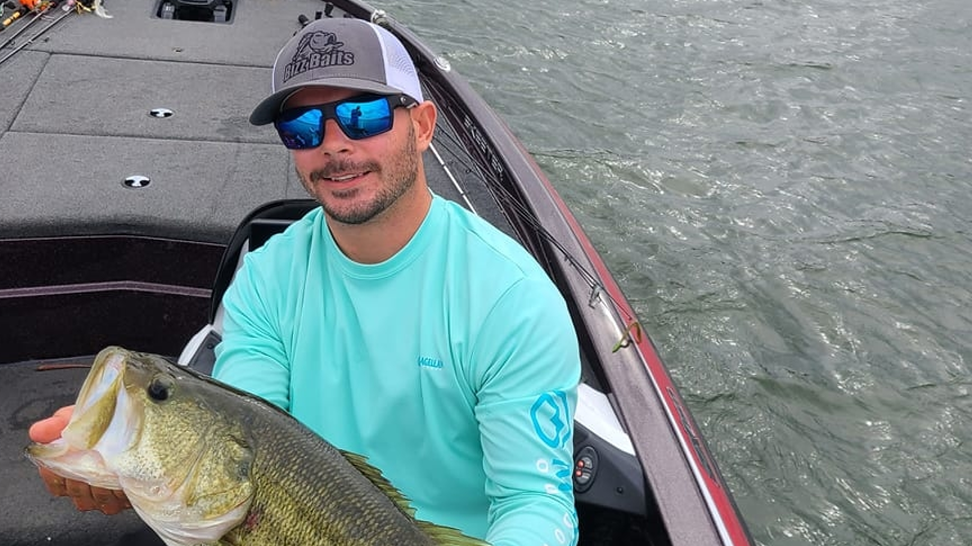
- Fishing Guide in Austin, Texas


Summary
Join Guide Aaron Lancaster on a guided fishing trip in Austin, TX, where anglers target bass from well-positioned boats near rocky shorelines. On this Tuesday in May, you'll learn productive fishing techniques in Austin's premier freshwater fishing destination, combining local expertise with hands-on instruction for an educational and rewarding experience.
Guided Fishing with Aaron Lancaster - Rates & Booking
Guide Aaron Lancaster of Nelson's Guide Service, LLC offers guided fishing trips in Austin on Tuesday, May 5th. When booking your guided fishing trip, you'll gain access to Aaron's local knowledge of Austin's prime fishing grounds, including rocky shorelines and deep-structure areas where bass congregate.
Nelson's Guide Service provides a professional-grade guided experience designed to help you understand bass behavior, seasonal patterns, and effective fishing techniques. Whether you're a beginner looking to build foundational skills or an experienced angler seeking new Austin-specific tactics, Aaron tailors the trip to match your goals.
To reserve your guided fishing trip with Aaron Lancaster, contact Nelson's Guide Service, LLC directly. Ask about current availability, group size accommodations, and what gear and equipment are included with your booking. Professional guides like Aaron typically provide insider knowledge on licensing requirements and any seasonal regulations specific to Austin fishing.
Highlights of Bass Fishing in Austin
Austin's rocky shorelines create ideal habitat for largemouth and smallmouth bass. These areas provide natural structure where bass hunt, shelter, and spawn depending on the season. The combination of rocky bottom composition and water depth variations makes Austin an excellent destination for structure-focused fishing techniques.
Fishing from a properly positioned boat allows you to access prime zones that shore anglers cannot reach. You'll work multiple areas during the trip, learning how water temperature, light penetration, and seasonal factors influence bass location and feeding activity. This hands-on education accelerates your ability to catch bass in Austin and apply lessons to other waters.
Local Bass Fishing Insights
Austin's freshwater bass fishery is defined by its rocky structure and depth variations. Bass in these environments exhibit distinct behavior patterns that change throughout the day and across seasons. Understanding how and why bass relate to rocky cover—and when they feed in different areas—is essential to consistent success.
Rocky shorelines offer multiple fishing opportunities. Bass use rocks for shelter from sun and predators, making early morning and late afternoon prime feeding windows. During midday heat, bass move to deeper adjacent areas. Learning to read these environmental cues and adjusting your presentation accordingly separates occasional catches from consistent success.
Water clarity in Austin varies seasonally, which affects fish visibility and feeding behavior. Clearer water typically requires more finesse in presentation and lure choice, while stained water allows for bolder approaches. Your guide helps you understand these conditions and adapt your technique in real time.
Seasonal changes dramatically impact bass location and activity. Spring brings spawning activity near shallow structure, summer pushes fish to deeper, cooler zones, fall triggers aggressive feeding as bass prepare for winter, and winter slows metabolism but can concentrate fish in predictable deep-structure areas. Each season offers unique opportunities when you understand the underlying biology.
Boat positioning is a critical skill taught during guided trips. Your guide demonstrates how to approach structure quietly, cast effectively, and maintain positioning while covering productive zones. These techniques ensure you maximize fishing time and increase your odds of connecting with bass throughout the day.
Lure selection and presentation are tailored to current conditions. Whether working with crankbaits, soft plastics, topwater, or other options, understanding what bass are eating and why they respond to certain presentations is key to effective fishing. Guided instruction accelerates this learning process compared to trial-and-error solo fishing.