%2Ffit-in%2F250x250%2Fguide_websites%2F13564%2Fimages%2F1714149374536nelsons-guide-service.png&w=1920&q=100)
Bass Fishing Success on Austin TX Lake
Bass Fishing Experience Around Austin
%2F%2Fusers%2F24975736-1913-4bb7-b26f-e919a8331943%2Fimages%2Faustin-bass-fishing-catch-2424.jpg&w=1920&q=75)
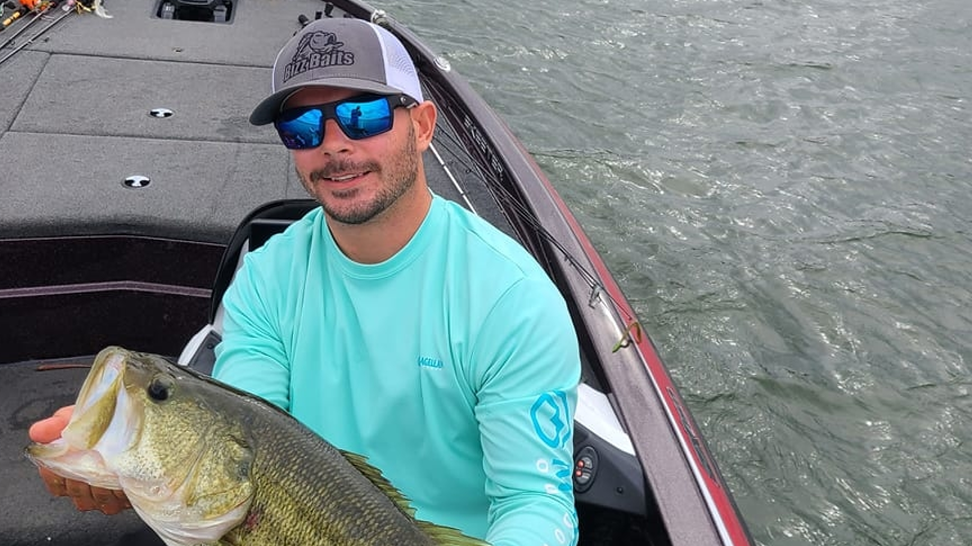
Guided Fishing Trip by Guide Aaron Lancaster in May
- Fishing Guide in Austin, Texas


Summary
Bass fishing on Austin's lakes offers an exciting opportunity to connect with one of Texas's most popular freshwater species. This guided fishing trip showcases the calm, productive waters that make Austin a premier destination for anglers seeking trophy-sized bass and an authentic lake experience.
Guided Bass Fishing with Aaron Lancaster - Rates & Booking
Guide Aaron Lancaster of Nelson's Guide Service, LLC led this successful bass fishing expedition on Tuesday, May 5th on Austin's productive lakes. To reserve your guided fishing trip and learn current availability and rates, contact Nelson's Guide Service for booking details. Aaron brings local expertise and personalized instruction to help anglers of all skill levels connect with bass on these well-known Texas waters.
Highlights of Your Austin Bass Fishing Experience
Austin's lake system provides consistent opportunities for quality bass throughout the year. The clear waters and diverse structure create ideal conditions for both sight fishing and traditional techniques. Whether you're targeting shallow areas near vegetation or deeper channels, the lake's varied terrain offers multiple patterns to explore.
Success on these waters often comes down to understanding how bass respond to seasonal changes and local conditions. Working with a guide who understands the specific structure, depths, and behaviors unique to Austin's lakes dramatically increases your chances of landing larger specimens and having a more productive day on the water.
Local Bass Insights and Water Conditions
Largemouth bass are the primary species in Austin's lake system. These adaptable predators thrive in the warm Texas waters and respond well to various presentations throughout the year. Understanding bass behavior patterns—including their preference for structure, feeding times, and seasonal movement—gives anglers the framework to improve their success rates.
The bass in Austin's lakes have adapted to the consistent fishing pressure and tend to relate heavily to cover and structure. Early morning and late evening periods often produce the most active feeding windows. Bass seek shelter near submerged vegetation, rock formations, and deep transitions where they can ambush prey while conserving energy.
Water clarity varies seasonally, which influences how bass hunt and interact with lures. After rain events, slight staining can actually improve fishing as bass become less cautious. Temperature changes drive seasonal movement patterns—in spring, bass migrate toward shallow spawning areas; in summer, they retreat to deeper, cooler zones; in fall, they return to shallower feeding zones; and winter sees them clustering in the deepest available structure.
Professional guides like Aaron understand these patterns intimately and adjust tactics, lure selection, and presentation styles based on current conditions. This knowledge transforms a generic fishing outing into a targeted, educational experience where you learn why certain techniques work during specific times of day and seasons.
Plan Your Bass Fishing Day
A typical guided fishing trip involves early-morning launch to capitalize on prime feeding periods. You'll work systematic presentations across multiple locations, learning proper casting technique, lure selection reasoning, and how to read the water for likely bass holding areas. Throughout the day, you'll develop an understanding of what makes each location attractive to bass and why certain patterns work better than others.
Being on the water with an experienced guide means real-time feedback on your approach and immediate adjustments based on what the fish are doing. This hands-on instruction accelerates your learning curve significantly compared to fishing alone. You'll return with both catches and knowledge that applies to future fishing trips.