%2Ffit-in%2F250x250%2Fguide_websites%2F13564%2Fimages%2F1714149374536nelsons-guide-service.png&w=1920&q=100)
Bass Fishing in Austin TX with Guide Aaron Lancaster
Bass Fishing in Austin - What to Expect
%2F%2Fusers%2F24975736-1913-4bb7-b26f-e919a8331943%2Fimages%2Faustin-bass-fishing-catch-2368.jpg&w=1920&q=75)
Guided Fishing Trip by Guide Aaron Lancaster in May
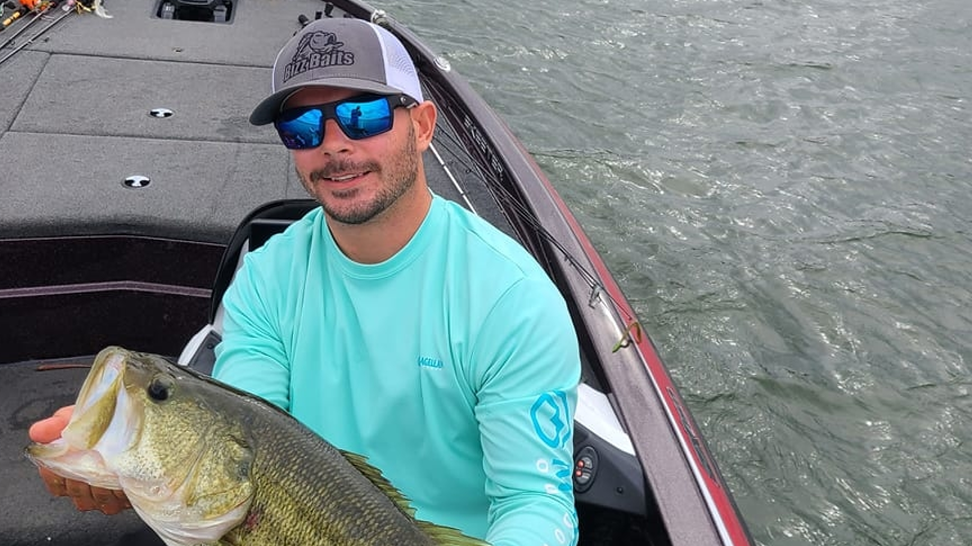
- Fishing Guide in Austin, Texas


Summary
Join a guided fishing trip in Austin, TX on Tuesday, May 5th to pursue bass in some of the region's most productive waters. This hands-on experience combines local expertise with proven techniques to help you understand bass behavior and improve your fishing skills in central Texas.
Bass Fishing with Aaron Lancaster - Rates & Booking
Guide Aaron Lancaster of Nelson's Guide Service, LLC specializes in guided fishing trips in Austin, TX. Based on May 5th departures, this experience puts you on the water with a knowledgeable local guide who understands the nuances of central Texas bass fishing. To inquire about rates, availability, and booking details, contact Nelson's Guide Service, LLC directly to reserve your spot.
Highlights of Your Guided Fishing Adventure
Austin's waters offer exceptional opportunities for bass anglers of all skill levels. The region's lakes and waterways support healthy populations of largemouth bass, making it an ideal destination for targeting these powerful fish. Whether you're refining your technique or pursuing your personal best, this guided approach provides direct instruction and real-time learning from someone who knows where and how to find fish.
The central Texas landscape combines scenic natural beauty with productive fishing habitat. As you work the water throughout the day, you'll observe how seasonal patterns, weather conditions, and water clarity influence bass behavior and feeding activity.
Local Bass Fishing Insights
Bass fishing in Austin requires understanding several key environmental factors. Largemouth bass are ambush predators that relate to structure and cover. They position themselves near submerged vegetation, fallen timber, rocky outcrops, and depth changes where they can intercept prey with minimal effort. Water temperature drives seasonal movement - in spring and fall, bass move into shallower zones during feeding periods. Summer heat pushes them deeper, while winter cold slows their metabolism and feeding frequency.
Austin's fishery benefits from consistent water management and habitat diversity. Different areas of the water hold different populations depending on depth, clarity, and available forage. Understanding how light penetration changes throughout the day helps predict where bass will be most active. Early morning and late afternoon typically produce more feeding activity than midday periods.
Largemouth bass diet consists primarily of smaller fish, crawfish, and other aquatic organisms. Their feeding response depends on presentation - the speed, depth, and motion of your lure or bait relative to where bass are positioned. A guided trip teaches you to read water conditions, identify likely holding areas, and adjust your approach based on what the bass are telling you through their behavior.
This hands-on learning experience builds practical skills you can apply to future fishing opportunities. Understanding bass behavior, seasonal patterns, and the relationship between environment and fish location transforms casual fishing into strategic angling.